April Fools Day: How to Use Humor in Marketing without Crossing the Line
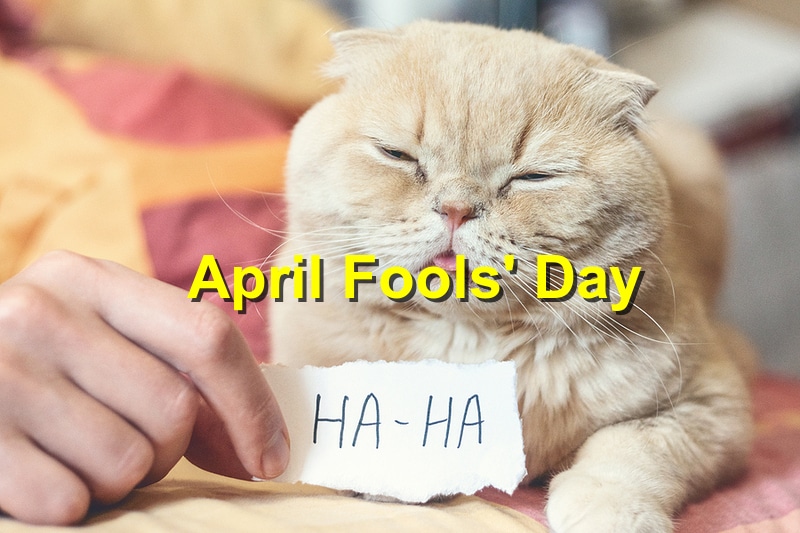
April Fools’ Day gives brands a unique opportunity to step away from traditional marketing and have a little fun with their audience. A well-executed joke can boost engagement, spark viral interest, and build brand personality. But when humor misfires, it can lead to confusion, backlash, or even long-term damage to a company’s reputation.
So how do you walk the line between clever and cringeworthy? This article explores how brands can effectively use humor on April Fools’ Day—without crossing it.
Why Use Humor in Marketing?
Humor is a powerful marketing tool. It humanizes your brand, creates emotional connections, and increases the likelihood that your content will be shared. According to numerous studies, people are more likely to remember and engage with brands that make them laugh.
April 1st gives you permission to be bold—but it also raises the stakes. That’s why it's important to understand the key dos and don’ts of April Fools’ campaigns.
Benefits of April Fools’ Marketing (When Done Right)
- Brand Awareness: A clever prank can go viral and put your brand in the spotlight.
- Stronger Audience Connection: Humor shows your brand's personality and makes it feel more relatable.
- Higher Engagement: Funny or surprising content invites likes, comments, and shares.
- Product Launch Testing: Some brands use fake product announcements to gauge real interest.
Famous April Fools’ Campaigns That Worked
🥣 Google’s Mic Drop (Kind of)
Google has a long tradition of April Fools’ stunts—like Google Nose and Google Maps for Pokémon. However, their 2016 "Mic Drop" prank caused frustration when users accidentally sent job-related emails with a mic drop GIF, showing how humor can go wrong if not carefully thought out.
🍕 Domino’s Edible Pizza Box
In 2018, Domino’s UK announced the world’s first edible pizza box. It got laughs, likes, and plenty of attention—even though everyone knew it wasn’t real.
📦 Amazon’s Petlexa
Amazon “introduced” Petlexa, a voice assistant for pets, in a 2017 prank that was lighthearted, brand-consistent, and well-received.
Where Brands Go Too Far
A joke that confuses or offends your audience can quickly backfire. Here’s where April Fools’ humor can go wrong:
- Insensitive Topics: Avoid joking about serious issues like health, death, or disaster.
- Realistic Product Jokes: If the prank is too believable, customers may feel tricked or misled.
- Tone-Deaf Humor: If your joke feels out of step with current events or your industry, it can appear out of touch.
- Overly Complicated Jokes: If your audience doesn’t “get it” right away, you risk confusion instead of engagement.
How to Use Humor Without Hurting Your Brand
✅ Know Your Audience
Make sure the humor aligns with your demographic’s sense of fun. Young, social-savvy consumers may appreciate edgy jokes, while more conservative audiences may prefer light, playful humor.
✅ Stay On-Brand
Humor should enhance—not undermine—your brand voice. A luxury watchmaker cracking fart jokes? Probably not the best fit.
✅ Be Obvious (But Clever)
The best April Fools’ jokes are clearly fake but smart enough to entertain. Think: transparent absurdity with a wink.
✅ Include Disclaimers
A subtle note at the bottom of your prank post, or a follow-up comment clarifying it’s a joke, helps prevent misunderstandings.
✅ Have a Backup Plan
What if people get upset? Monitor reactions closely and be ready to respond or pull content if needed.
Creative April Fools’ Marketing Ideas
- “Launching” a Ridiculous Product: A shampoo for bald people, invisible snacks, or a cuddly drone pet.
- Silly Rebrands: Temporarily change your name or logo for a fun twist (as long as it’s obviously a joke).
- Fake Job Listings: Hiring a Chief Nap Officer? People will laugh and share—even if they secretly wish it were true.
- Funny Social Polls: Ask your audience to vote on outrageous fake options. Engagement without risk!
When You Should Skip April Fools’ Marketing
If your brand is dealing with:
- A current crisis or controversy
- A sensitive industry (healthcare, law, etc.)
- A serious product or service launch that week
Then it might be best to skip the pranks and focus on trust-building content.
Conclusion
April Fools’ Day is a golden opportunity to show off your brand’s lighter side—but it takes thoughtful planning. By keeping humor light, brand-appropriate, and clearly satirical, you can create a campaign that not only entertains but also earns your audience’s respect.
So go ahead—have some fun with your followers. Just remember: if you're going to make them laugh, make sure they’re laughing with you—not at your mistake.
References: LinkedIn, MailChimp
https://localvalue.com/april-fools-day-how-to-use-humor-in-marketing-without-crossing-the-line/


Comments
Post a Comment